China's Humanoid Robotics Boom Outpaces US Efforts
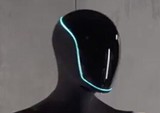
China's push into humanoid robotics has surged ahead, leaving American efforts in the dust. On November 29, reports from the Los Angeles Times highlighted how the country's robot army is expanding faster than ever. Factories in Shenzhen and Hangzhou churn out models like Unitree's G1 and UBTech's Walker S, priced under $20,000 each. These bipeds walk, lift, and learn tasks with AI brains that rival Boston Dynamics' Atlas.
Unitree Robotics, founded in 2016 by Wang Xingxing, started with drone tech before pivoting to four-legged bots like the Go1. Now, their humanoid G1 folds for storage and runs marathons on a single charge. It's no toy—deployed in warehouses, it sorts packages at human speed. UBTech, backed by Tencent, traces roots to 2012 and Disney partnerships. Their Walker series dances, cooks, and assists the elderly, with over 10,000 units shipped this year alone.
Beijing's subsidies fuel this boom. State funds pour billions into firms like Fourier Intelligence, whose GR-2 model mimics human balance on uneven terrain. By 2025's end, China aims for 100,000 humanoids in service, dwarfing the U.S.'s 5,000. American giants like Agility Robotics struggle with high costs— their Digit hits $250,000—while tariffs and supply chains slow progress.
This race reshapes factories and homes. Chinese robots handle dull jobs, from assembly lines to elder care, freeing workers for creative roles. Yet questions linger: Will job losses follow? And can the West catch up before dominance solidifies?